Letter to the Editor: What Aurora’s Water Rights Purchase Could Mean for Rocky Ford Melons

Description: In this letter to the editor, Matthew A. Chavez reflects on Rocky Ford’s melon harvest and what Aurora’s deal to buy Catlin Canal water rights could mean for farm families... Opinions expressed in Letters to the Editor Do Not Necessarily Reflect the Opinion of Consulting With A Hart LLC, SECO News or Our Advertising Affiliates...

A Rocky Ford Melon
by Matthew A. Chavez
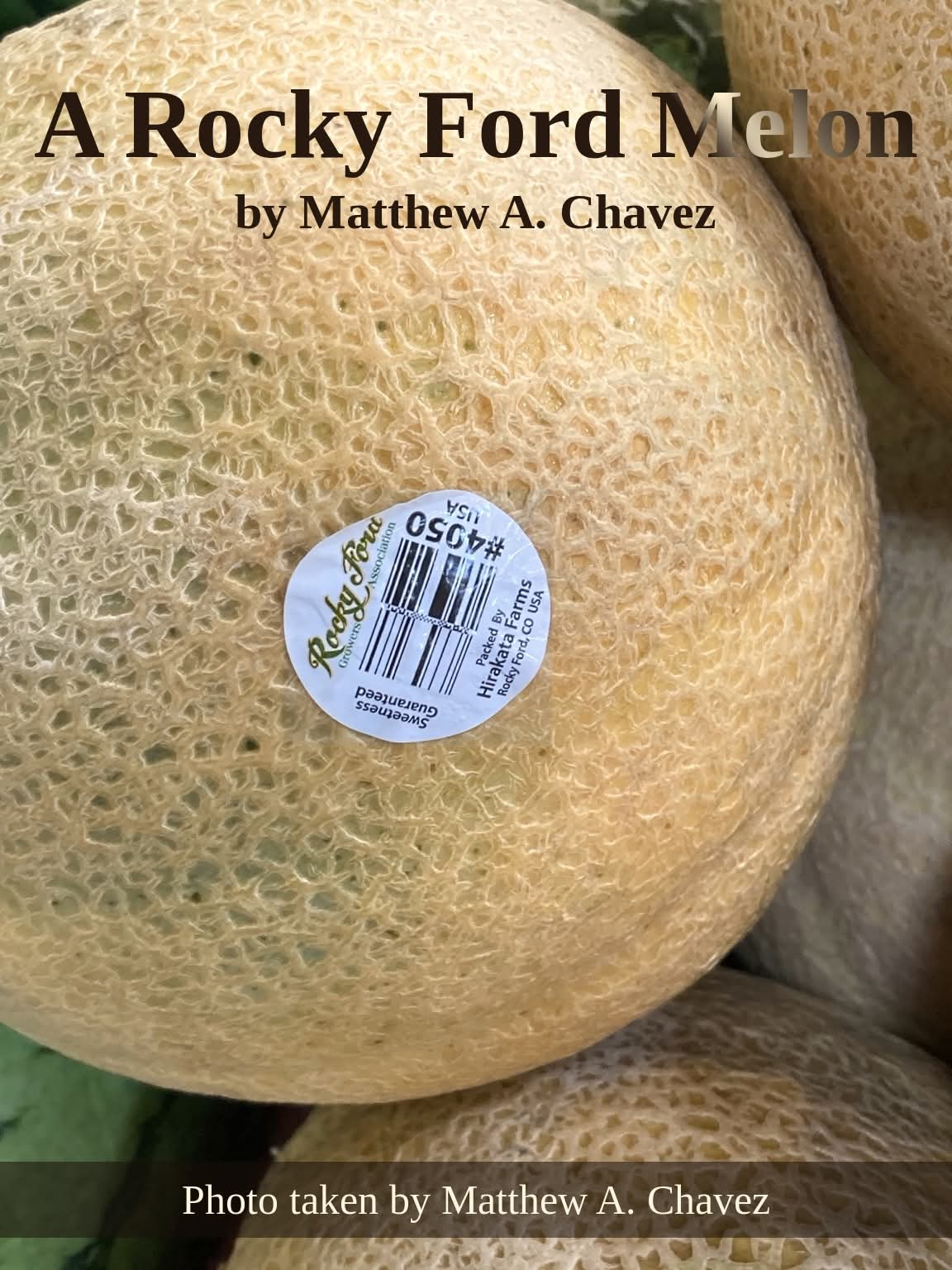
"Bring home a Rocky Ford melon" used to be a perfectly good grocery list. Come August in southeastern Colorado, it meant a cantaloupe grown along the Arkansas River. You left it on the kitchen counter till you could smell it from the hall. Watermelon got a sprinkle of salt. A ripe cantaloupe got cut into wedges, and whoever claimed they didn't want any could generally be found eating the last one over the sink.
The Arkansas River had been running through that valley a good long while before anybody thought to put Rocky Ford on a melon crate. Trouble was, a river can run right past a thirsty field and go on about its business. In the 1870s, George Swink and his neighbors dug the Rocky Ford Ditch to give some of that water a turnoff. The Catlin Canal followed in the 1880s. Imagine getting the slope right for miles when most of us can't hang a picture straight without somebody across the room hollering, "Little higher on my side." They got it right. The water came.
And look what came with it. Somebody had to grow the melons, somebody had to pick them, and somebody had to get them to Kansas City before Kansas City got a crate of mush. The name on the crate said Rocky Ford. The pay from that crate went home to supper tables up and down the valley. As for calling yourself the Melon Capital of the World, well, that takes a fair amount of nerve for a little Colorado town. Then again, they could hand you a knife and let you settle the matter yourself.
On November 23, 2026, Aurora's city council approved spending $23 million to buy land and Catlin Canal water rights from the Hirakata and Hanagan families. Both families have farmed in the valley for more than a century. The agreements let both families lease back most of the land and water for ten years, with an option to extend the leases for another twenty. Come spring, a man can walk the same rows his grandfather walked, scoop up a handful of dirt to see if it's ready, and go fetch the tractor. From the road, you'd swear nothing had changed. You'd have to ask him who owns the water.
I'd be careful about telling either family what they ought to have done. A hundred years is a long time to feed people who'd raise hell over the price of a cantaloupe and then tell you the farm is priceless. What sticks with me is that Aurora gets to plan for the day it needs that water. Down here, people have to plan for the day Aurora says it does.
Look across the river at Crowley County. Water sales helped take some 45,000 acres out of irrigation there. That's a figure big enough to print in a newspaper and hard to picture from the kitchen window. So picture one packing shed hiring six fewer kids for the summer. One of those kids was counting on that money for a used pickup. His uncle in Pueblo knows a fellow who's hiring, so up he goes. Years later, somebody runs into his mother at the store and asks whether the boy ever comes home. "Oh, sure," she says. "He brings the kids for Thanksgiving." That's how a place dries up. You still get to see everybody. You just have to wait for a holiday.
There are still Rocky Ford melons. You can still bring one home, leave it on the counter, and let the smell tell you when to get the knife. But I can picture a grandfather some August years from now, standing over the sink with his granddaughter, cutting into whatever the store had that week. He slips her the first wedge. "You should've tasted a Rocky Ford," he says.
And she asks him what kind that was.
Follow SECO News on Facebook.
Subscribe to the SECO News YouTube Channel.
Press releases Sponsor








.png)












.png)