Colorado State Patrol Urges Drivers to Secure Loads Before Hitting the Road
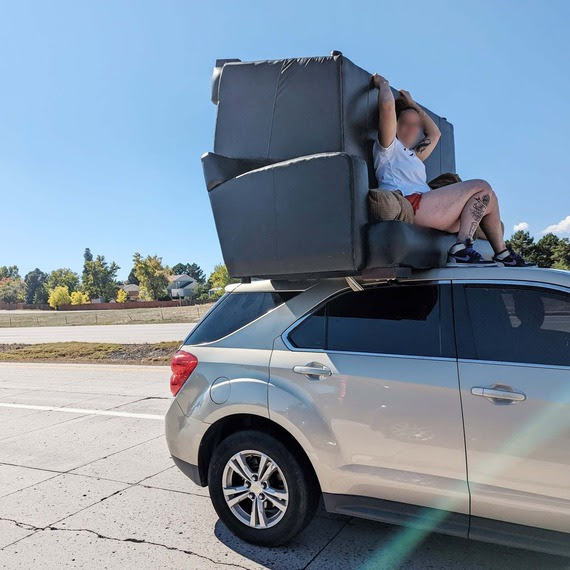
Description: Colorado State Patrol reminds drivers to secure and cover cargo after 355 drivers were stopped last year for spilling or failing to properly cover loads.

Secure Your Load Before You Hit the Road
A secure load is a safer road
(COLORADO) – Warmer temperatures signal peak times to move, camp and complete yard work across Colorado. But before loading up the back of a pickup, filling a trailer, or strapping items to your roof, Colorado State troopers are reminding drivers that unsecured loads can quickly become dangerous hazards. Falling items or items left on roadways often lead to crashes, injuries, and roadway closures, not to mention costly cleanup efforts.
Last year, the Colorado State Patrol stopped 355 drivers across Colorado for spilling or failing to properly cover their loads.
Colorado Law under Colorado Revised Statute (C.R.S.) 42-4-1407 prohibits operating any vehicle on a highway unless the vehicle and its load are constructed, loaded, or securely covered to prevent cargo from blowing, dropping, shifting, leaking, or otherwise escaping onto the roadway. Drivers must ensure all cargo is properly secured using ropes, straps, chains, netting, or other appropriate tie-downs, and that loose materials are covered with a securely fastened tarp.
Whether using a work vehicle, your personal vehicle, or a rental, the driver is responsible for properly transporting equipment or securing the load. It’s up to you to help keep roadways clear of debris and hazards.
Tips for Safely Securing Your Load
Drivers hauling cargo in personal vehicles or trailers should remember these important safety practices:
- Nothing Can Fall: A load is considered secure if it is unable to slide, shift, fall, or become airborne during transport.
- Cover Loose Materials: Gravel, dirt, mulch, yard waste, trash, and recyclables should be completely covered with a securely fastened tarp.
- Tie Down Large Items: Furniture, appliances, equipment, and other oversized cargo should be secured. You may need to use ropes, chains, cargo netting, or even heavy-duty ratchet straps.
- Load Heavy Items First: Place heavier items on the bottom and as low as possible. If you are utilizing a trailer, center the heavy items or place them slightly ahead of the trailer’s axles.
No matter how short the trip, drivers should always take the time to properly secure their cargo before getting on the road. Attempting to hold a load in place by having a passenger ride on or with the cargo is not safe and is not an acceptable substitute for proper tie-downs. If a load cannot remain secure on its own using appropriate straps, chains, ropes, netting, or a tarp, it is not ready for transport. Taking a few extra minutes to secure your load properly can prevent serious crashes, injuries, and unnecessary tragedies.
Photo taken in 2023 on Wadsworth Boulevard, Jefferson County, Colorado.
Follow SECO News on Facebook.
Subscribe to the SECO News YouTube Channel.
The Police Beat Sponsor
.jpg)



.jpg)


.png)

.png)









.png)