Colorado State Patrol Shares Safety Tips for Driving During Wildfires
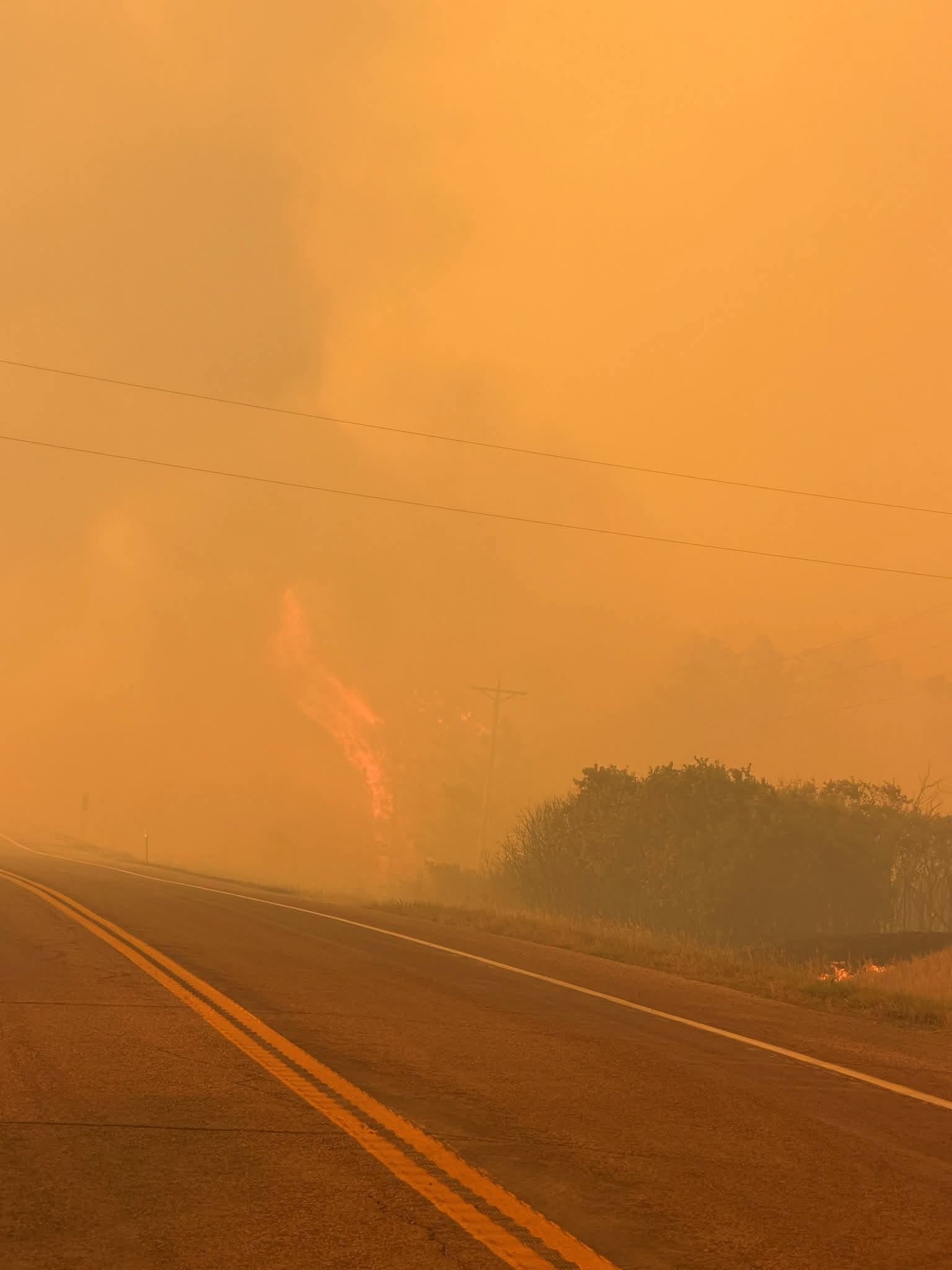
Description: Colorado State Patrol urges drivers to avoid wildfire and grass fire areas, follow closures and evacuations, leave early and use safety precautions in smoke.

Driving During a Wildfire or Grass Fire
Troopers urge drivers to avoid areas and leave early
(COLO) –With hot, dry and windy conditions fueling fires across our state, drivers are urged to stay aware of current weather and roadway conditions. Whenever possible, motorists should avoid active fire areas and find alternative routes. However, if you find yourself in an active area, it is important to remain calm, check for road closures and promptly leave, ensuring a safe escape route remains available.
"If you live, work or are visiting an area, follow road closures and evacuation orders as soon as they are issued," stated Col.Matthew C. Packard, chief of the Colorado State Patrol. "Don't risk being trapped or having nature eliminate potential routes out of the area due to your delay."
If you must drive through a fire area, be prepared to feel heat inside your vehicle and encounter heavy smoke. As you drive, keep the following guidance in mind:
- Keep windows and doors closed and use the recirculation feature in your vehicle to prevent toxic outside air from entering.
- Turn on your headlights, but do not use high beams.
- Drive slower than the posted speed due to low visibility, moving wildlife and emergency vehicles in the area. Give yourself time to react to what's happening around you.
- Increase your following distance - keep three to five car lengths between you and the vehicle ahead of you.
- Drive predictably – avoid stopping, especially in areas with heavy smoke and fire risk. Eliminate distractions and do not drive purposefully off the road onto grassy areas.
- If visibility is very poor, use the painted edge lines on the right side of the road as your visual guide.
Depending on the proximity of the fire, drivers may also see falling debris, including ash, glowing embers, or falling trees. If you have a vehicle fire extinguisher, take it with you for emergencies.
When you are safely out of range of the fire area, drivers should pull over and check their vehicle for any damage or mechanical issues, such as a clogged air filter, tire damage, and ash buildup. Motorists should wipe off or rinse their windshields. Ash contains toxins and will be gritty due to non-combustible materials left behind from the fire. Drivers will want to lightly wipe or rinse these away before using the windshield wipers.
"Again, leaving early puts you at the greatest advantage. It allows you to avoid gridlock and protects emergency personnel from having to stage risky rescues," stated Col. Packard. "Driving during a brushfire or wildfire is extremely dangerous. If you feel unsafe, you don't have to wait for an evacuation order. Pack up and leave. You can stay informed about the fire from a safe location."
Follow SECO News on Facebook.
Subscribe to the SECO News YouTube Channel.
Press releases Sponsor




.jpg)


.png)

.png)











.png)