Hot Dogs Belong on a Bun: Colorado Warns Against Leaving Pets in Hot Cars
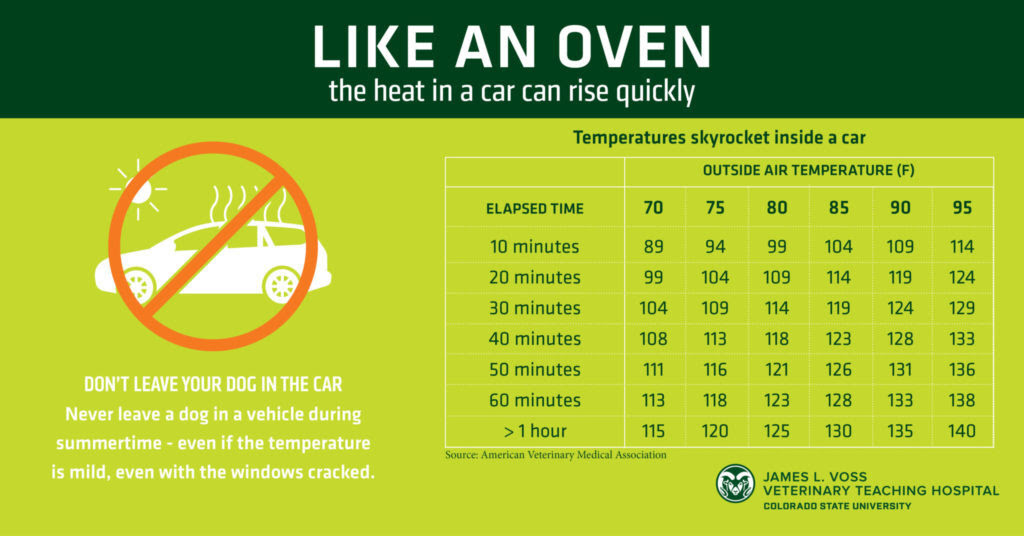
Description: Colorado officials remind pet owners that vehicle temperatures can rise nearly 20 degrees in 10 minutes, putting animals at risk of heat stroke, injury or death...

Hot Dogs Belong on a Bun, Not in a Car
A friendly reminder to keep your pets safe during the Summer
( COLORADO) - Colorado's outdoor lifestyle often includes our pets, from hiking trails to patio dining. But as temperatures rise, it's critical to remember that even a short stop can become dangerous if a pet is left inside a vehicle.
According to Colorado State University, pets should never be left in a parked vehicle, even in warm conditions, regardless of whether the windows are cracked. Interior temperatures can rise rapidly, placing animals at risk of heat exhaustion, heat stroke, organ failure, or death within minutes.
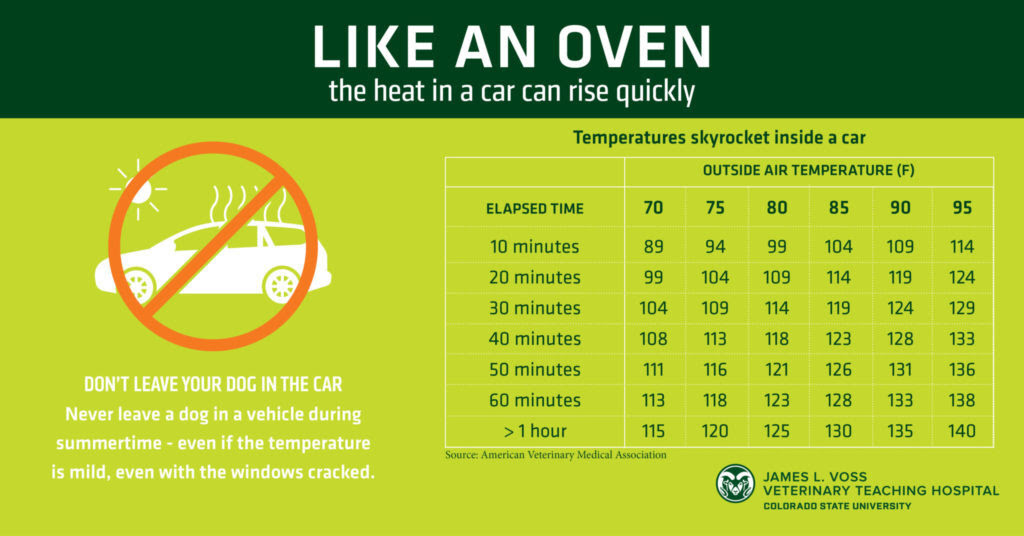
The temperature inside a vehicle can increase by nearly 20 degrees in just 10 minutes. Cracking a window does little to slow that rise. What may feel mild outside can quickly become life-threatening inside a vehicle. It may also carry legal consequences under Colorado law, including a potential animal cruelty charge.
The temperature inside a vehicle can increase by nearly 20 degrees in just 10 minutes. Cracking a window does little to slow that rise. What may feel mild outside can quickly become life-threatening inside a vehicle. It may also carry legal consequences under Colorado law, including a potential animal cruelty charge.
What Should You Do If You See a Pet in a Hot Car?
If you encounter an animal left in a vehicle on a warm day:
- Call 911
- Provide the vehicle's location, description, and condition of the animal
- Stay nearby and monitor the situation until help arrives
When Can Someone Legally Enter a Locked Vehicle to Help a Pet?
Colorado law allows a person to forcibly enter a locked vehicle to rescue a person or animal only under specific conditions. This is intended for true emergencies where immediate action is necessary.
A citizen may act if all of the following apply:
- Ensure the vehicle is not a law enforcement vehicle;
- Have a reasonable belief that the person or animal is in imminent danger of death or suffering serious bodily injury;
- Verify the vehicle is locked;
- Make a reasonable effort to locate the owner or operator of the vehicle;
- Contact a law enforcement or other first responder agency prior to forcibly entering the vehicle, and do not interfere with the actions of any such responding law enforcement agency;
- Use no more force than reasonably necessary to enter the locked vehicle;
- Remain with the at-risk person or animal in a safe location close to the vehicle until law enforcement or other first responder arrives at the scene; except that, if the person rendering assistance has to leave the scene before the owner or operator of the vehicle returns, prior to leaving the scene, the person rendering assistance shall leave a notice on the vehicle with his or her name and contact information and the name and location, if any, of the facility to which he or she took the at-risk person or animal. Also, prior to leaving the scene, the person rendering assistance shall contact law enforcement, animal control, or other first responders to provide them with the same information.
If it's too warm for you to sit in a parked car, it's too warm for your pet. When in doubt, leave pets at home where they are safe and comfortable.
Follow SECO News on Facebook.
Subscribe to the SECO News YouTube Channel.
Press releases Sponsor





.jpg)


.png)

.png)











.png)